
Game Changer or Performance Killer?
Pros & Cons of Intermittent Fasting for Athletes

Fasting has been around for centuries—first for survival, later for religion, and now for health, performance, and weight loss.
If you’ve got your training and nutrition mostly dialed in but still wonder whether when you eat could actually make a difference, this guide breaks down what intermittent fasting really is, the pros and cons, and whether it’s worth experimenting with for better performance.
What is Intermittent Fasting?
At its simplest, intermittent fasting (IF) is a nutrient-timing practice that requires you to alternate eating and fasting times—the most popular being a 16:8 ratio where you fast for 16 hours and eat within an 8-hour window. So, intermittent fasting is not a specific diet but a meal-timing strategy that provides specific benefits.
Intermittent fasting can provide diet and meal timing flexibility, improve performance potential (including the ability to burn fat as fuel, improve cellular function, and increase hormonal adaptation), and produce body composition changes—all of which are appealing to athletes looking to improve performance.
Pros of Intermittent Fasting for Athletes
Let’s dig into a few pros of intermittent fasting for athletes and why an athlete may utilize this meal-timing strategy.
Fat Loss and Body Composition
Intermittent fasting can aid in fat loss through eating windows—if you have less time to eat throughout the day, you typically consume fewer calories.
For example, if you normally eat 3-5 meals and snacks spaced out every 3-5 hours but begin eating in an 8-hour window, you’ll likely cut back on total daily meals and snacks. Instant calorie deficit!
This nutrient timing practice is a straightforward way to create a calorie deficit without actually counting calories. IF can be an effective strategy for improving fat loss and body composition as long as athletes consume adequate calories during the eating window to train, perform, and recover.
Why Would an Athlete Want to Lose Fat?
Before we move on to the other benefits, let’s touch briefly on why an athlete may want to lose body fat.
A low body fat percentage can result in a higher power-to-weight ratio. A power-to-weight ratio measures how much power an athlete can generate relative to body weight. Cyclists, runners, weightlifters, wrestlers, and even some team sport athletes can benefit from a high power-to-weight ratio.
Can You Lose Muscle Mass In a Calorie Deficit?
Muscle mass can be preserved during fat-loss periods (even when nutrient timing is limited to a specific eating window) if you prioritize adequate protein intake.
Back to the IF pros.
Improved Insulin Sensitivity
Insulin is a naturally occurring hormone made by the pancreas to help you break down the carbohydrates you eat into glucose and utilize it for energy. This is an advantageous process when you’re healthy and have an appropriate calorie intake.
If you regularly eat more calories than you need, your body will make and release insulin at higher rates to take care of the glucose in your bloodstream. Over time, your body will “turn off” insulin receptors. Your body then makes more insulin, which is how insulin resistance occurs.
When you fast for at least 16 hours, your digestion slows, and insulin levels drop significantly. Cell receptors start to turn on since there isn’t so much insulin around anymore, and then your body more efficiently takes up any glucose into the cells when it is present.
Simply put, fasting helps your body utilize carbohydrates, boosting overall performance. Improved insulin sensitivity also ensures your muscle cells have fuel when needed, resulting in strength and muscle gain over time.
Enhanced Metabolic Flexibility
Metabolic flexibility is your body’s ability to burn carbs or fat for fuel based on factors like meal composition, fuel availability, and environmental fluctuations. Intermittent fasting teaches your body to utilize carbs during eating windows and fats during extended fasting periods.
Metabolic Flexibility and Endurance Events
Metabolic flexibility is advantageous for weight loss and performance in endurance events. You can’t expect to run a marathon without training; the same thing applies to using fat as a fuel source in a fasted state.
Training during periods of fasting helps your body learn and adapt to become more metabolically flexible. Over time (and likely after a few less-than-your-best training sessions), your body will learn to utilize fat as fuel, giving you a competitive edge!
The Potential for Increased Growth Hormone
Some studies show a connection between increased insulin sensitivity and an increase in human growth hormone (HGH)—a naturally occurring hormone that supports your metabolism, glucose levels, and muscle growth. So when done right, fasting may help you recover more efficiently and increase your potential for more muscle growth.
Cons of Intermittent Fasting for Athletes
Intermittent fasting isn’t for everyone, and there are some cons that athletes in particular need to be aware of. Let’s dive in.
Reduced Energy for High-Intensity Workouts
Carbs predominantly fuel the energy systems utilized during high-intensity training. You might notice faster rates of fatigue, higher perceived exertion, and reduced power output when you train in a fasted state. If your sport requires you to excel in those areas, training during your eating window is beneficial to have energy readily available to train, perform, and recover well.
Training in a fasted state can also impact cortisol (a stress hormone) levels, which will have an undesirable effect on performance and muscle growth potential. Add in other stressors (high-intensity training, a looming work deadline, poor sleep, etc.), and you have too much stress, resulting in decreased performance.
Potential for Muscle Loss
There is a possible risk of muscle loss when intermittent fasting is implemented incorrectly.
When you consume a pre-workout meal, carbohydrates are stored in your muscles as glycogen and used at a later time. That glycogen keeps you from fatiguing too quickly, reduces your perceived exertion, and helps increase the intensity of your workout. Over time, all those factors increase muscle mass, improving performance and body composition.
To avoid muscle loss while intermittent fasting:
Schedule your training sessions in the middle of your eating window so you’re fueled with carbs and protein before and after you train. If your body doesn’t have what it needs for exercise or recovery, it will make fuel by breaking down fat and muscle tissue.
Consume a high-quality protein source after your workout to shift your body to an anabolic (muscle-building) state.
Increased Risk of Overeating
High hunger levels at the end of a fasting window can make it hard to control intake when your feeding window opens (Read: it is common to get hangry and disregard proper nutrition due to hunger!) Even when you are in your feeding window, overeating is still overeating.
How to mitigate the risk:
Plan and prep your meals ahead of time to ensure you don’t get stuck (over)snacking on foods that don’t help you reach your goals.
Focus on fiber and whole foods as much as possible to satiate hunger and ensure you physically fill your stomach.
Social and Practical Challenges of Intermittent Fasting for Athletes
Athletes have strict schedules; practices might have to be first thing in the morning, and games or events are late into the evening, which makes it challenging to nail down the best eating and fasting schedule. Plus, social commitments can make controlling food sources and timing tough.
Here are a few quick tips to navigate this:
Schedule your eating window when performance matters most. Ensure you have time to eat before and after your training session or competition.
Be flexible in your approach—you can shift your window slightly day-to-day if necessary.
Work with an experienced nutrition coach who can give personalized advice based on your training schedule, goals, and needs.
Should Women Try Intermittent Fasting?
Women are not small men—they have very different hormonal profiles, which results in different responses and outcomes to training and nutrition.
Female reproductive hormones are a bit more sensitive to changes in calorie intake and diet due to a neuropeptide called kisspeptin (this is responsible for sex hormones, endocrine, and reproductive function). Disrupting this peptide stimulation can impact many body functions and responses like appetite regulation, body composition, and maintaining glucose levels.
Lowered kisspeptin can result in higher appetite, reduced glucose tolerance, increased insulin resistance, and the possibility of stored body fat (specifically in the belly area). Although some populations of women can benefit from traditional IF protocols and timing, athletic women (anyone engaging in structured exercise) need to be a bit more intentional. Here’s how:
Plan your fasting and eating windows around your natural circadian rhythm by eating in the morning to blunt the natural cortisol spike (not doing so can result in a breakdown of muscle tissue).
Taper your meal size throughout the day so your last meal is the lightest, stacking your fasting window at the end of the day instead of the beginning.
Intermittent Fasting and the Menstrual Cycle
Due to hormonal sensitivity in women, research shows that IF may negatively impact menstrual cycles. Too much cortisol reduces thyroid activity, which can lead to more significant pre-menstrual symptoms and the possibility of losing a period cycle completely.
If you’re a woman experimenting with intermittent fasting, it’s important to pay attention to how your body responds. Signs that fasting might not be working for you include irregular or missed periods, increased fatigue, disrupted sleep, or feeling more anxious or stressed than usual. If you notice these changes, or if your cycle stops altogether, it’s best to pause fasting and talk with a healthcare provider or registered dietitian. A regular menstrual cycle is a key indicator of hormonal health, and no nutrition strategy is worth compromising that.
How to Get Started with Intermittent Fasting
If you’re interested in getting started with intermittent fasting for athletes, here are some basics and considerations to set you up for success.
Common Fasting Schedules
Let’s break down some of the most common fasting schedules for intermittent fasting so you can better choose what may work best for you.
The 16:8 Method
16-hour fasting window, 8-hour eating window.
Considerations for this method: 16 hours is a long enough time to deplete any glucose or glycogen stored and shift to fat as a fuel source. The best time to start your eating window depends on your preference and schedule. Typically, people start eating anywhere between 9 am and noon. When picking your time, plan to finish your last meal about 2-3 hours before bed so your body has enough time to digest the meal to prepare for improved rest.
The 14:10 Method
14-hour fasting window, 10-hour eating window.
Considerations for this method: This protocol is a more gentle and realistic approach compared to the longer fasting windows of 16:8 and 20:4. You may not reap all the benefits that are associated with a longer fast, but it can help you stick to a calorie deficit naturally since your eating window is smaller than a standard day.
Alternate-Day Fasting
A full 24 hours without eating or consuming any calorie-containing beverages, alternating with days of normal intake.
Considerations for this method: The main “benefit” here is a deeper calorie deficit, faster and more significant weight loss, and some slightly more benefits to insulin sensitivity and metabolic health. This is generally not recommended for women. Please consult a doctor or work with a professional before instituting this method, as it is much more intense!
The Importance of a Gradual Transition
Like anything, going from 0 to 100 is rarely the best route. A gradual transition into IF will train your body to fast for extended periods and help you slowly build the habits necessary to sustain this eating style. Try finishing your last meal of each day slightly earlier while starting your first meal a bit later until you are in the fasting length of time you’re ultimately aiming for.
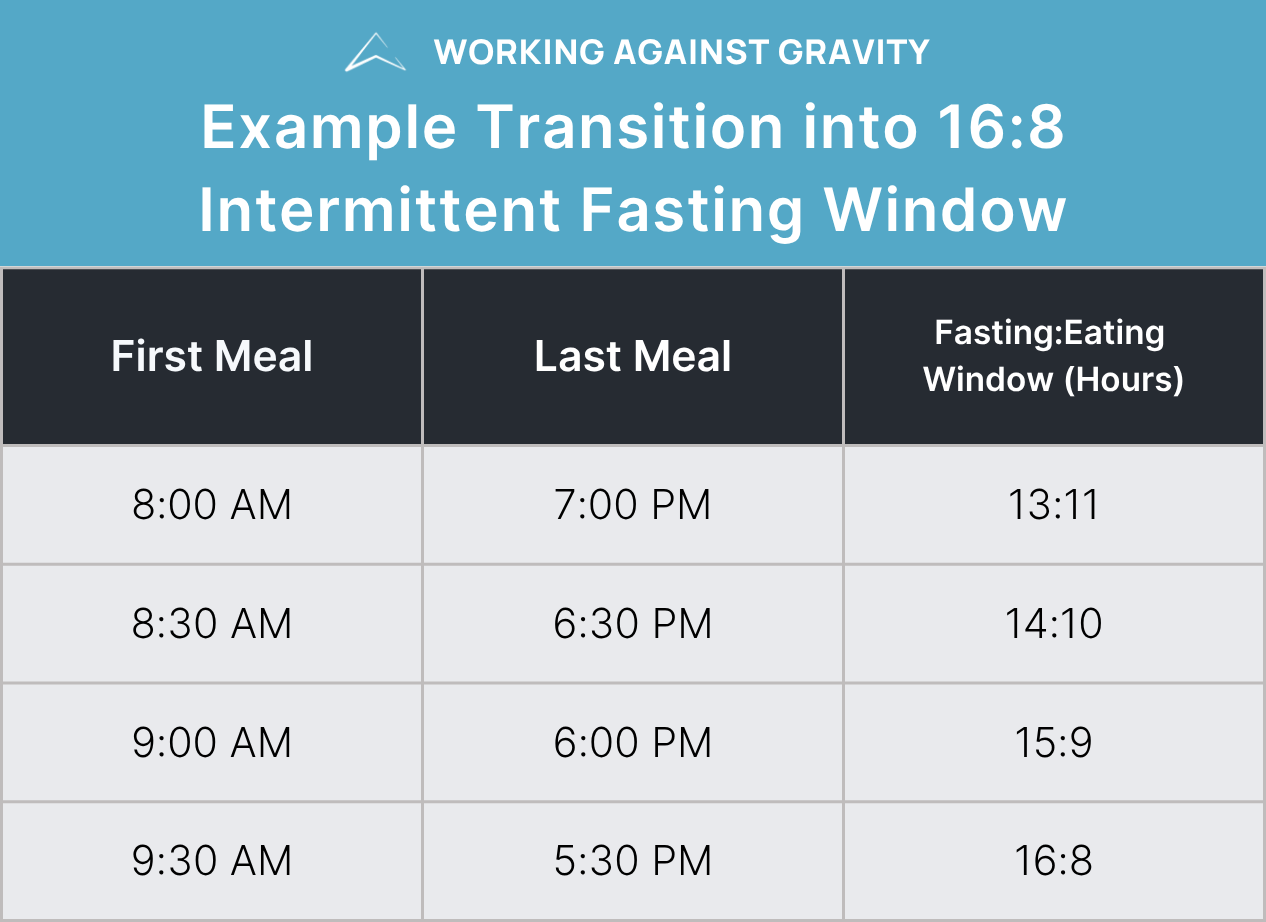
It’s okay to take some time to get to the fasting length you want. Shift your meal times when you notice that hunger is controlled at the current time frame, and keep building on that.
Importance of Nutrient Timing
As an athlete practicing intermittent fasting, it is essential to focus on consuming adequate macronutrients and micronutrients in your eating window. Less time to eat doesn’t necessarily give you the “out” to consume less food—especially if you have performance-specific goals along with body composition goals. Your body still needs calories, protein, carbs, and fats. It also needs micronutrients (vitamins, minerals, fiber) to thrive and not just survive. This is why tracking macros while intermittent fasting is the golden combination to get the most bang for your IF buck.
Tips for Success with Intermittent Fasting
Now that you have all the information to implement IF, here is your checklist for the most success:
Plan Your Meals: Macronutrients and micronutrients are important no matter who you are. Planning out meals to include high-quality protein sources, fiber-rich carbs, and healthy fats ensures you consume foods that help you feel and perform at your best. We encourage weekly and daily meal planning to help reduce impulse food choices if hunger becomes overwhelming. It might be helpful to have your first meal prepared and ready to eat once your eating window opens up so that your first meal is a nutrient-dense one.
Stay Hydrated: Hydration is an important factor for performance. During your fasting phase, enjoy water and zero-calorie electrolytes to stay hydrated. While in your eating window, utilizing fluids that contain nutrients (like smoothies, 100% juice, and sports drinks) can help you increase calorie intake easily (if needed) and support energy needs during training, competitions, or games.
Prioritize Sleep: Sleep deficits can disrupt hormone balance, which creates a cascade of problems (hormone imbalance, mood swings, blood sugar destabilization, increased hunger, etc). Adding IF on top of low-quantity sleep will exacerbate these issues and leave you spinning your wheels. Intermittent fasting works well for athletes who have important habits (sleep, food quality, and movement) down. So don’t sleep on sleep!
Electrolyte Management: Fasting can result in fluid loss and electrolyte balance since the body utilizes all the glucose and glycogen (which stores water). Supplement with electrolytes to maintain proper electrolyte balance and prevent additional fatigue and cramping. One of the easiest ways to consume electrolytes is through a sodium, potassium, and magnesium supplement. As long as the supplement doesn’t contain calories, it is acceptable to drink in fasting windows.
Listen to Your Body! Listening to your body is key. Pay attention to energy and hunger cues and performance to determine whether IF is working for you and when changing meal timing, training schedule, or fasting protocol may be beneficial.
Don’t Be Afraid to Adjust: There are different IF protocols for a reason. No one protocol will work for everyone. The same goes for the timing. Just like women might need to adjust the fasting window to later in the day compared to the morning, it is okay to adjust the timing and length until you find what works best for you and your needs as an athlete.
Avoid Extreme Measures: Doing more isn’t always a better return on investment. Extreme measures might seem sexy, but they aren’t necessary. Doing anything extreme comes at high risk and the possibility of abandoning ship completely. Instead, take a conservative and gradual approach. Slow progress is lasting progress!
Is Intermittent Fasting Right for You?
Fasting might help successfully create a calorie deficit, improve insulin sensitivity, and speed up cellular repair. But it comes at the cost of some hunger, schedule limitations, and possible performance deficits due to lack of energy availability. Fasting requires a lot of planning and preparation to ensure your baseline calorie, macro, and micro needs are met within your eating window.
The appropriateness of intermittent fasting depends on your specific goals, training intensity, current training season, and how your body responds to IF (remember—males and females will have different responses to fasting!)
If you’re unsure if intermittent fasting is your missing puzzle piece, working alongside a 1-on-1 nutrition coach will help you make educated decisions for your unique needs, goals and schedule.
That's interesting! I wrote a piece about intermittent fasting’s effects on women’s health some time ago and the nutritionist I interviewed was wary of it